
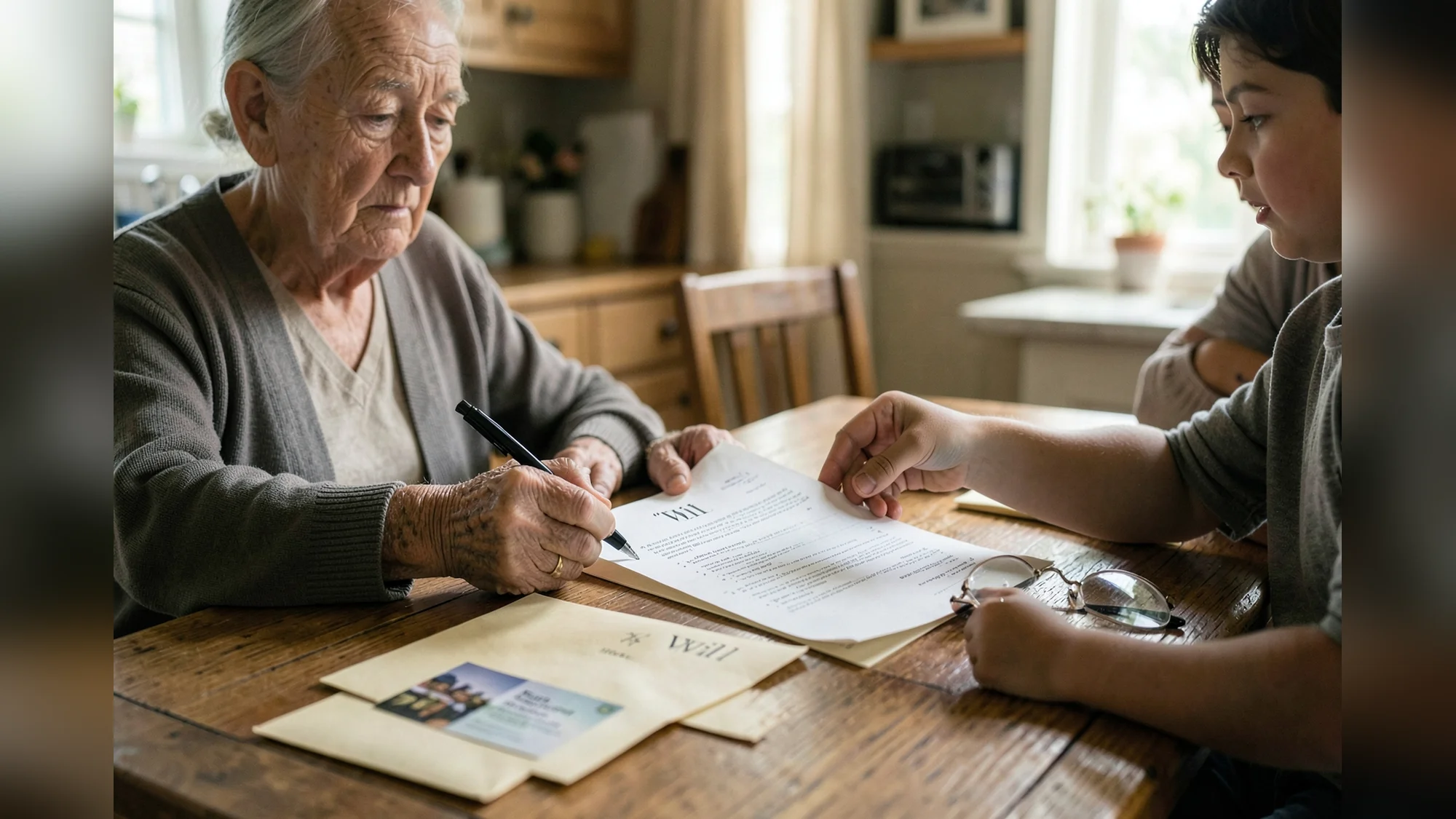
One signature is the event that matters. Signing the last page of a document without seeing its contents can create real uncertainty about whether you agreed to act as an executor, and that uncertainty can drag a family into court and delay an estate. Moneyist columnist Quentin Fottrell described a case in which a brother made a relative sign but wouldn't let them read the paper or keep a copy. For people in Ontario, LawyerInfo Ontario notes there are formal steps to refuse an appointment before probate.
One signature can create uncertainty about whether a signer accepted the duties and liabilities of an executor. The core legal point is straightforward: being named in a will isn't the same as being the court-appointed executor. Quentin Fottrell explained in his Aug. 7, 2026 Moneyist column that many jurisdictions require probate and a court appointment before an executor holds the estate's legal powers.
Why the missing page matters
The column describes a brother who asked a relative to sign the last page of what appeared to be his will but wouldn't allow the signer to read it, provide a copy, or say where the document would be stored. That behaviour, Fottrell wrote, looks suspicious and creates two practical problems. First, the signer can't confirm whether the paper actually names them as executor or contains other instructions. Second, if the testator dies and no clearly located, signed will can be produced, family members and courts face delay and uncertainty when trying to locate the will and appoint an executor.
There is also a common misconception worth correcting. Signing a page in advance doesn't automatically bind someone to the job. Nomination and acceptance are distinct. An executor normally accepts the role after the testator's death when the will is presented to the probate court and letters of probate or an equivalent document are issued. Until that appointment happens, the nominee doesn't have the estate's legal powers and typically doesn't bear the same legal responsibilities.
Practical steps and provincial guidance
Communication and documentation matter. Fottrell flags the value of knowing where an original will is stored and of having at least informal confirmation about who will handle probate. If you are named or asked to sign, ask where the original will is kept and who the estate lawyer is. If the testator agrees, request permission to review the will or to have it lodged with a lawyer or a secure registry.

For Ontarians there's clearer formal guidance. LawyerInfo Ontario explains that an appointed executor who doesn't want to act has a formal path to refuse the role. The renunciation process avoids later exposure to executor duties and potential liability, and it preserves clarity for the estate.
If a named executor declines or can't act after a death, courts will appoint an alternative executor, which can lengthen and complicate probate.
Where families reshuffle nominees while the testator lives, or when only an unsigned copy exists, the ambiguity often surfaces at the worst moment: after death. In that setting the probate process will determine who holds authority. The practical consequence is time and cost for the estate, and more stress for relatives who must resolve where the will is and who will apply for probate.
I'd argue the responsible default is simple. If someone asks you to sign anything relating to a will, don't sign it unless you can read and keep a copy.
If the testator resists, ask for the name of the estate lawyer or for a secure storage location. And if you are already named and don't want the role, pursue renunciation early rather than waiting for a death to force the issue.
Related Articles
- Almost 65 and living across two homes: who should sell?
- 60s with $1.5M: trusts, wills and avoiding family fights
- Retirees risk $80,000 after life-plan community reveals millions in debt
If the testator is alive, ask where the original will is kept and request permission to review it or to have it lodged with a lawyer or a secure registry. If an unlocated or contested paper emerges after death, the probate court will decide who is appointed, and in Ontario named executors who wish to decline can use LawyerInfo Ontario's renunciation route before probate proceeds.
This article was created with AI assistance.


