
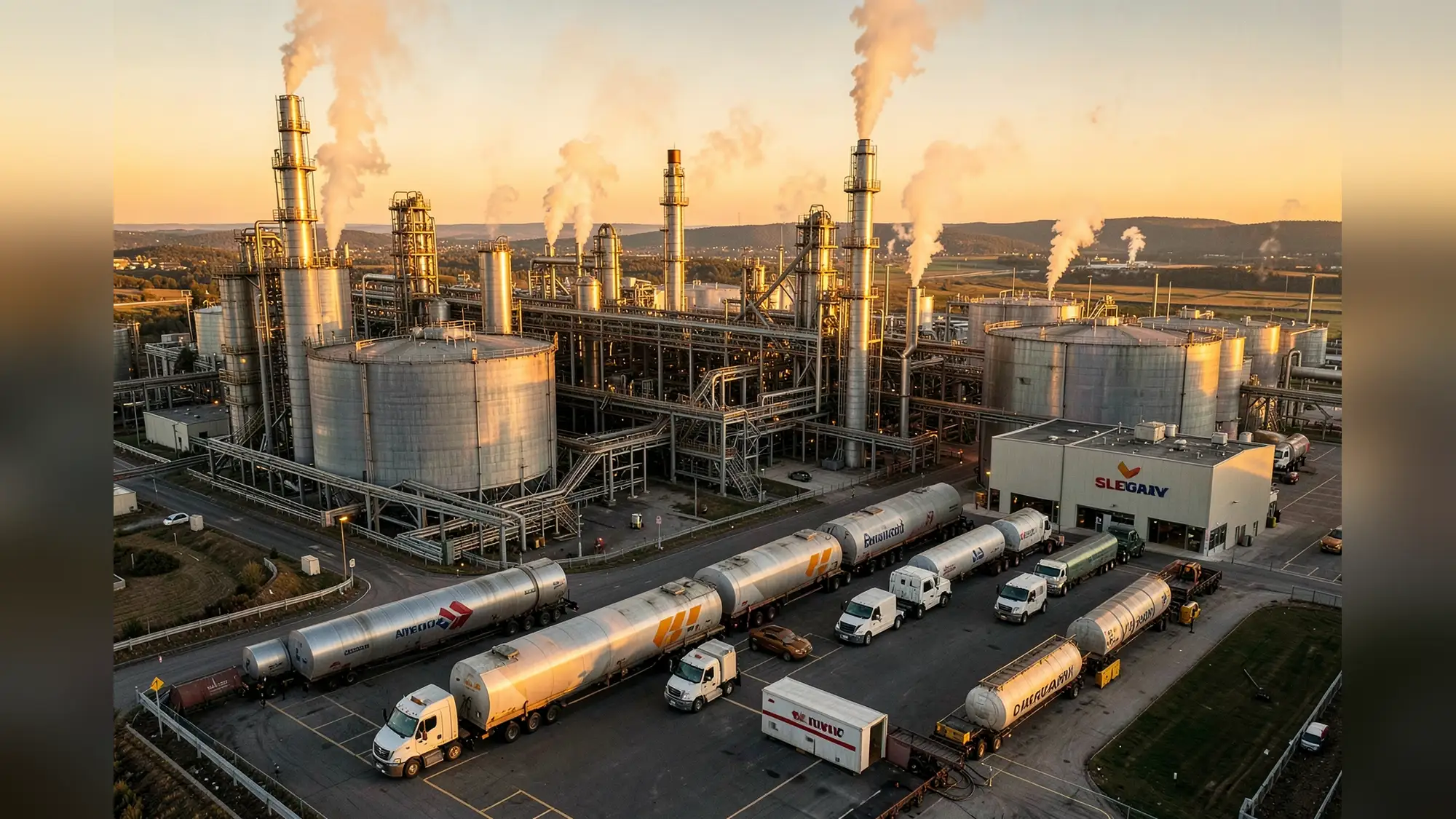
"We're kind of firing on all cylinders, which is good, because the world needs it," said Mike Wirth, chief executive of Chevron. The company reported a second quarter net income of $12.1 billion on July 31, 2026, the largest quarterly profit in its history and roughly five times the $2.5 billion it earned a year earlier. Adjusted earnings per share were $6.06 and revenue ran about $70.06 billion, while worldwide output rose about 20 percent to around 4.0 million barrels per day. Chevron said the gain came as U.S. production and refinery throughput hit records and as refining margins and crude realizations strengthened.
"The situation is under stress and I'm afraid it's going to continue to do so," said Mike Wirth, chief executive of Chevron. What moved and by how much? Net income jumped to $12.1 billion for the quarter, up from $2.5 billion in Q2 2025, with adjusted EPS of $6.06 and revenue of about $70.06 billion, results the company released on July 31, 2026. Chevron said global output rose roughly 20 percent year on year to about 4.0 million barrels per day, led by a record U.S. run.
Why did profits surge? Management pointed to higher crude realizations and stronger refining margins as fuel prices climbed after disruptions to Middle East supply routes tied to the U.S.-Iran conflict. Downstream swung from a year earlier loss to earnings near $4.9 billion in the quarter as gasoline and diesel prices rose. Executives also cited working capital timing benefits that lifted cash generation for the period.
How did operations and the balance sheet hold up? Chevron reported record U.S. output of roughly 2.1 million barrels of oil equivalent per day and U.S. refinery throughput above 1.0 million barrels per day. Operating cash flow excluding working capital was about $19.7 billion and adjusted free cash flow near $15.4 billion. The company said it paid down $8.0 billion of debt in the quarter, leaving net debt at roughly 0.6 times cash flow from operations.
Who felt the effects and what are the broader impacts? Consumers faced higher pump prices as crude and product markets tightened. Investors reacted with modest buying, sending Chevron shares higher on the day, while some peers moved differently. Management also said it reached $3.0 billion of structural cost reductions six months ahead of schedule, a result it tied to stronger cash returns to shareholders alongside debt reduction.
Related Articles
- S&P Futures Slip 0.1% as Brent Tops $110 on Mideast Tensions
- 50% drop in oil eases stagflation, strategists pivot
- HSBC: Stocks Can Withstand 4.3-4.5% Yield Range
Chevron reiterated its full-year 2026 capital-spending guidance and said it expects to finish toward the low end, after closing the quarter with net debt at roughly 0.6 times operating cash flow.
This article was created with AI assistance.