
"Canada used to be our fifth largest country in the world and now it’s our second largest," said Drew Seitam, co-founder of People Like Us. Membership on People Like Us rose about 20 percent over the past year, HomeExchange said Canadian membership climbed more than 30 percent year-over-year, and more than 15,000 home exchanges were planned in Canada for June, July and August, up 29 percent from the same period a year earlier. Emmanuel Arnaud, CEO of HomeExchange, said it's the most cost effective way to put a roof over your head while travelling, and platforms point to rising travel costs as the primary demand driver. A CIBC poll adds context: four in 10 Canadians still plan to travel this summer, while nearly one third say rising costs make them likely to stay home.
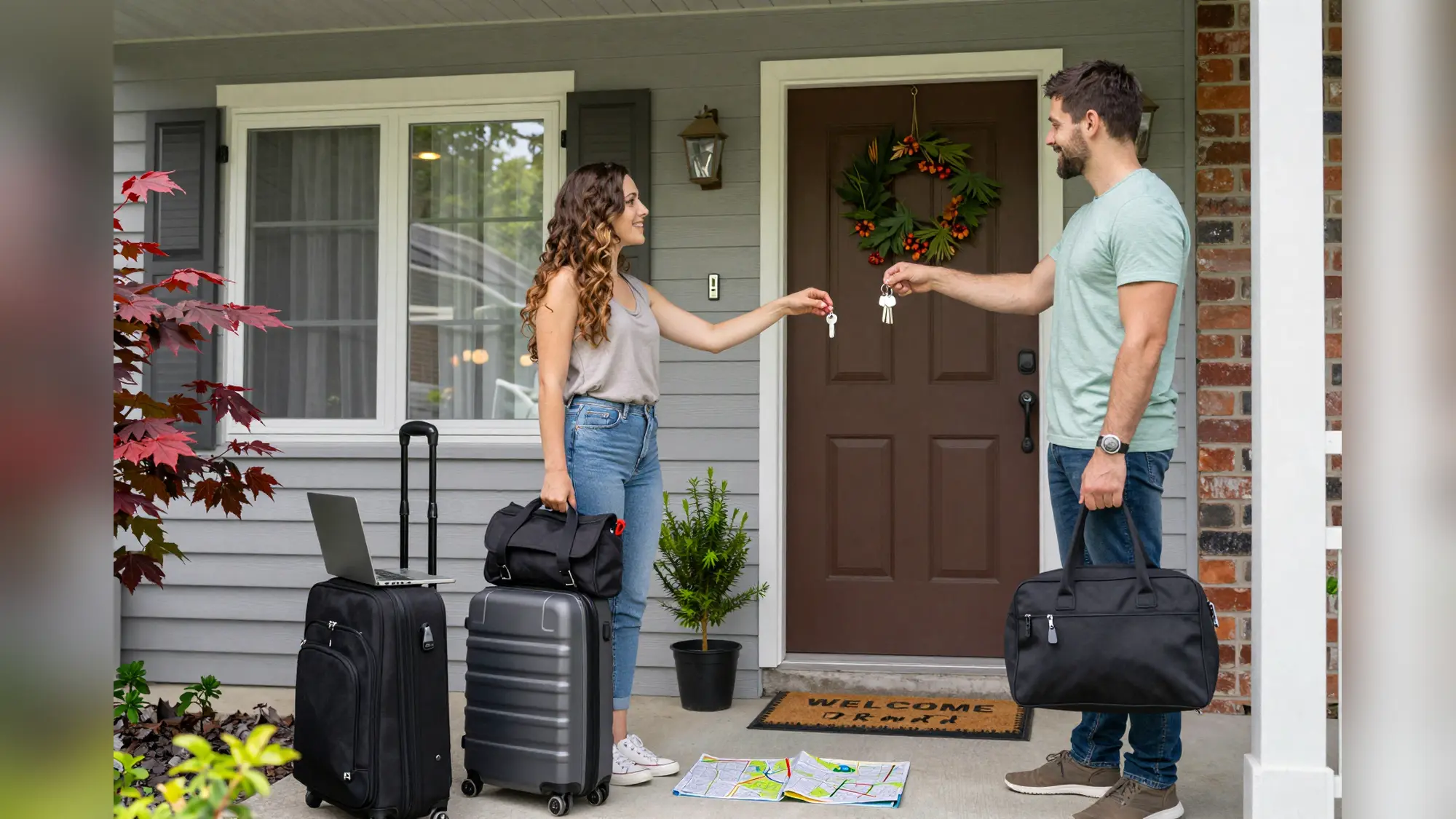
"It's the most cost effective way for you to put a roof on top of your head during your travel," said Emmanuel Arnaud, CEO of HomeExchange, summing up why Canadians are trying house swaps more often. Platforms sell annual memberships rather than nightly rates and operate two basic models: direct swaps between two households, or credit systems where members host to earn stays elsewhere. That pricing model can reduce lodging costs to a single yearly fee, and some members use credits to travel off season or for longer trips.
People Like Us and HomeExchange both gave Canada-specific growth figures to explain strategy and member outreach. People Like Us reported a roughly 20 percent jump in Canadian members over the past year, while HomeExchange said Canadian membership rose more than 30 percent year-on-year. HomeExchange also reported that over 15,000 exchanges were planned across June, July and August, a 29 percent increase from the prior summer. Company executives pointed to higher travel costs and pent-up demand as the main drivers.
Users describe the financial effect in plain terms. Calgary teacher Kristy Moore said she tried her first exchange in Seattle in 2023, booked another in Victoria for this summer, and is planning a trip to Japan next year.
She told CBC that savings on accommodation and airfare have "opened up the door to places all around the world" and made longer trips realistic. Moore estimated that avoiding hotel bills for a two-week trip can save "a few thousand dollars," money that can fund another destination or lengthen a stay.

The platforms emphasise both value and experience. People Like Us said Canada has moved from its fifth to its second largest market, a shift the company attributes to members seeking lower-cost, more sustainable stays that offer local immersion.
HomeExchange said growing comfort with non-traditional lodging is letting travellers step outside usual patterns to cut lodging costs.
There are trade-offs. Home swappers must prepare homes, coordinate handovers, manage appliance and wifi instructions, and exchange many messages while arranging visits.
Platforms warn swaps aren't ideal for last-minute plans and that the model carries more logistical friction than an instant hotel booking. Still, executives and users told CBC the financial trade-off is worth the extra legwork, particularly for families and travellers who prioritise space and local neighbourhoods.
The Canadian data mirrors a broader international uptick in interest for non-traditional lodging as travel costs rise. Both companies highlighted that Canada has outpaced their global averages, framing the membership gains and planned exchanges as concrete evidence that many households are altering how they travel to manage budgets and extend trips. The effect is simple: lower lodging outlays stretch household travel budgets, making longer or more frequent trips doable without adding hotel bills to the tab.
Related Articles
- Canada inflation rises to 2.8% as gasoline jumps 28.6%
- Canadians caught up in Cuba fuel squeeze as U.S. restrictions force flights, choke aid
- Anker 25,000mAh laptop power bank back to $95.99
The 15,000-plus exchanges planned for June, July and August are the near-term test of whether rising interest converts into actual trips. Originally reported by cbc.ca.
This article was created with AI assistance.


